Dog owners often compare different types of chews before deciding which products to add to their pets' routines. With so many options available, understanding the materials, ingredients, preparation methods, and potential risks can make the decision easier. Beefhide and rawhide are two terms frequently used when discussing hide-based dog chews, and they are often treated as if they describe completely different products.
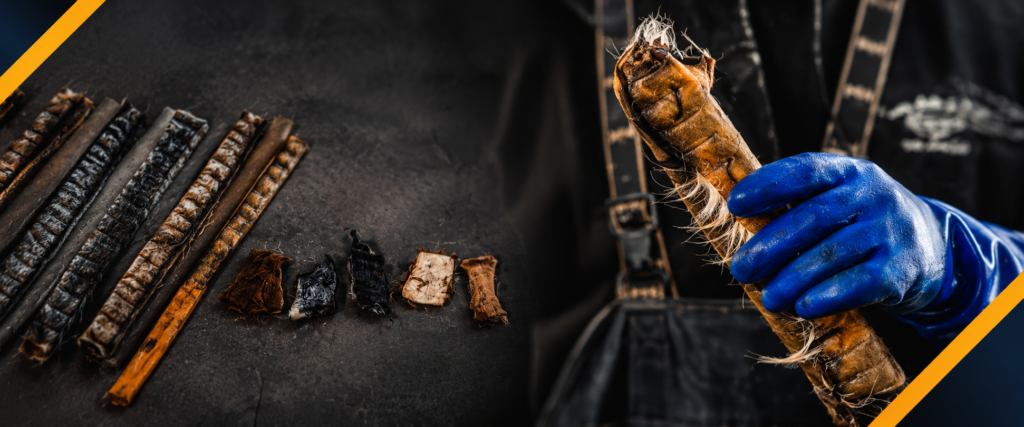
When comparing beefhide vs rawhide, it is important to understand that beefhide is a type of rawhide made from cattle hides. The main distinction is the animal source, not necessarily the processing method or safety level. Both types can provide chewing engagement, but their quality, texture, ingredients, and suitability depend on how they are manufactured and how individual dogs chew.
What Is Beefhide?
Beefhide is made from cattle skin that has been cleaned, processed, and prepared for use in dog chews. Manufacturers may shape it into rolls, chips, sticks, or other forms. Its thickness and firmness can vary according to the source material and production process.
Some beefhide products contain only hide, while others may include additional ingredients or flavorings. Reading the label helps owners understand what a specific product contains.
Beefhide is often marketed as a natural chewing option, but natural origin alone does not guarantee safety. Dogs can still choke on swallowed pieces or experience digestive obstruction.
What Is Rawhide?
Rawhide is a broad term for processed animal hide used to make dog chews. It is commonly produced from cattle hides, although the source can vary depending on the manufacturer.
The hide is cleaned, processed, dried, and formed into different shapes. Some products are flavored or contain other ingredients, while others have simpler formulations.
Because beefhide comes from cattle, it falls within the broader rawhide category. Therefore, comparing the two requires looking beyond their names to examine sourcing, processing, ingredients, and product design.
Beefhide vs Rawhide: Key Differences
1. Animal Source
The primary distinction is the source of the hide. Beefhide specifically comes from cattle, while rawhide may refer to hides from cattle or other animals, depending on the product.
If you want a cattle-derived chew, check the packaging to confirm the animal source rather than relying only on the word rawhide.
2. Processing Methods
Both beefhide and other rawhide products undergo processing before being sold as dog chews. Cleaning, drying, shaping, and other manufacturing steps vary between producers.
One product may use a different preparation method from another, even when both are made from cattle hides. Look for clear information about sourcing and processing when comparing options.
3. Texture and Shape
Beefhide and rawhide products can both be firm, thick, thin, rolled, or cut into small pieces. Their chewing characteristics depend on the actual product rather than the name alone.
Choose a shape and size that suit your dog's mouth and chewing habits. A small piece may be swallowed quickly, while a very hard product may pose a risk of dental damage.
4. Ingredients
Some products are made primarily from hide, while others contain added flavorings or other ingredients. Neither the term beefhide nor rawhide guarantees a particular ingredient list.
Read the label carefully if you prefer single-ingredient products or need to avoid specific ingredients because of your dog's dietary sensitivities.
5. Safety Considerations
Neither beefhide nor rawhide is automatically safer than the other. Both can present choking and digestive obstruction risks if dogs swallow large pieces. Some dogs may also experience digestive upset.
The dog's chewing style, product size, construction, and supervision are more useful safety considerations than the product name alone.
Benefits of Beefhide and Rawhide Chews
When a suitable product is offered responsibly, hide-based chews can provide certain benefits.
Supports Natural Chewing Behavior
Dogs naturally chew to investigate objects and engage with their environment. An appropriate chew can provide an outlet for this behavior and may help redirect attention away from household belongings.
Provides Mental Engagement
Working on a chew may keep a dog occupied for a period of time. It can complement regular exercise, training, and interactive play.
May Help Remove Some Tooth Debris
Chewing creates friction that may remove some soft debris from tooth surfaces. However, hide-based chews are not a substitute for brushing or professional veterinary dental care.
Which Is Better for Your Dog?
There is no universal winner in the beefhide versus rawhide comparison because beefhide is itself a form of rawhide. The better product depends on your dog's needs and the specific product's quality.
Consider the following factors before buying:
- Source: Check whether the product is made from cattle hide or another animal source.
- Ingredients: Review the full label and look for clear ingredient information.
- Size: Select a product that suits your dog's size and cannot easily be swallowed whole.
- Chewing strength: Avoid products that your dog can break apart and gulp rapidly.
- Health needs: Consult your veterinarian if your dog has digestive conditions, dental problems, or a tendency to swallow chews.
Always supervise chewing sessions and remove the product when it becomes small, loose, or damaged. If your dog develops repeated vomiting, abdominal pain, loss of appetite, or difficulty passing stool after chewing, seek veterinary care promptly.
Why Consider Ugly Chews?
For dog owners interested in cattle-derived hide products, Ugly Chews offers beefhide chews with a focus on whole hides and straightforward ingredients. The brand sources cattle hides from ranches in Wyoming, Utah, and Idaho and uses water cleaning and sun-drying as part of its preparation process.
Its product range includes Hair-On Hide Rolls and Chips, Chunks & Scraps, providing different forms of beefhide for dogs with varying chewing preferences.
Ugly Chews may be worth considering if you prefer cattle-derived hide products and a brand that emphasizes using hides efficiently. However, these products remain hide-based chews and carry potential choking and digestive obstruction risks. Review the product information and select an option appropriate for your dog's size and chewing habits.
Tips for Using Hide-Based Chews Responsibly
- Supervise your dog throughout every chewing session.
- Choose an appropriate product size and texture.
- Remove small pieces before your dog can swallow them.
- Avoid chews that are excessively hard or unsuitable for your dog's teeth.
- Follow the manufacturer's storage and feeding instructions.
- Ask your veterinarian about alternatives if your dog tends to gulp chews.
No hide-based chew is completely risk-free, so individual suitability matters.
Frequently Asked Questions
1. Is beefhide the same as rawhide?
Beefhide is a type of rawhide made from cattle hides. Rawhide is a broader term that may include hides from other animal sources.
2. Is beefhide safer than rawhide?
Not necessarily. Beefhide is rawhide from cattle, and both can pose choking and digestive obstruction risks depending on the product and the dog's chewing behavior.
3. Are beefhide chews digestible?
Beefhide is not readily digested like ordinary food. Swallowed pieces can cause digestive problems or obstruction, so supervise chewing and remove small remnants.
4. Can puppies have beefhide or rawhide?
Some hide-based chews may be unsuitable for puppies because of developing teeth and swallowing risks. Ask your veterinarian about age-appropriate options.
5. How do I choose a quality beefhide chew?
Review the animal source, ingredients, processing information, size, and suitability guidance. Choose a product that matches your dog's chewing strength.
6. Where can I buy beefhide chews for dogs?
Ugly Chews offers beefhide products, including Hair-On Hide Rolls and Chips, Chunks & Scraps. Review the product details before ordering.
Conclusion
The main difference in the beefhide vs rawhide comparison is the animal source: beefhide specifically comes from cattle, while rawhide is a broader category of animal-hide chews. Both can provide chewing engagement, but neither is automatically safer or more suitable for every dog.
If you prefer cattle-derived hide chews with a focus on straightforward ingredients, consider the products available from Ugly Chews. Check each product's details, supervise your dog during chewing, and consult your veterinarian if you are uncertain about the best option for your pet.