Campuses today don’t operate like closed environments anymore. Universities have open access areas, corporate campuses function like mini cities, and there’s a constant flow of people, vehicles and activity throughout the day. That shift has pushed organisations to rethink how they approach surveillance.
The focus now is not just on monitoring, but on building systems that are reliable, scalable and actually useful in day-to-day operations. This is where the role of an outdoor PTZ security camera becomes more relevant, especially when coverage needs to extend across large, dynamic spaces.
Coverage Has to Keep Up With Movement
Campuses are fluid environments. Students moving between buildings, employees shifting across departments, events happening in parallel — there’s rarely a static moment.
Fixed cameras struggle in these conditions because they only capture a defined frame. The more practical approach has been to introduce systems that can adapt in real time. PTZ functionality allows operators to move across zones, zoom into specific areas and adjust coverage based on what’s actually happening, instead of relying on a rigid setup.
Image Quality Directly Impacts Decision-Making
In large outdoor environments, clarity isn’t just a technical detail, it directly affects how useful the footage is. Whether it’s identifying activity in a parking area or reviewing movement across entry points, low-detail video creates more confusion than clarity.
This is where newer systems are raising the bar. Cameras that support 4K 60P output, paired with a 1.0-inch CMOS sensor and a capable image processor, are able to retain detail across wide scenes. Add HDR support into the mix, and the camera handles challenging lighting conditions far better, which is common in open campus layouts.
Zoom Isn’t a Feature, It’s a Requirement
Distance is one of the biggest challenges in campus surveillance. Monitoring a large ground, a long corridor or multiple access points requires more than just a wide field of view.
A strong optical zoom allows teams to move from a general overview to a focused frame without losing clarity. When extended further with advanced zoom capabilities, it becomes easier to monitor areas that would otherwise need multiple cameras.
Automation Helps Teams Stay Efficient
With multiple feeds coming in, manual monitoring quickly becomes overwhelming. That’s why automation is playing a bigger role in modern setups.
High-precision autofocus and intelligent tracking reduce the need for constant intervention. The system keeps subjects in focus even when they move across the frame, which helps operators stay focused on decision-making instead of adjustments.
Where Systems Start Making a Real Difference
The CR-N700 sits in that space where surveillance starts becoming more proactive than reactive. It brings together high-resolution 4K 60P imaging, a strong zoom range and precise autofocus in a way that supports real-world campus needs. Instead of building a system around multiple fragmented devices, setups can be streamlined without losing capability.
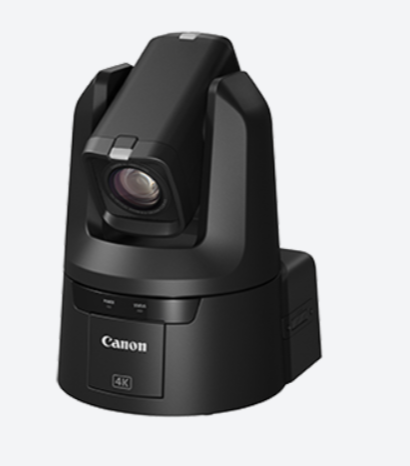
For campuses that are constantly evolving, that flexibility matters. Because in the end, the goal isn’t just to monitor what’s happening, but to keep up with it without falling behind.